
Do You Need Condo Association Approval to Remodel in Florida?
In almost every Florida condominium, yes. Before renovation work begins, most associations require written approval from the board or property manager, a certificate of insurance naming the association as an additional insured, and proof that your contractor holds a valid Florida license. What they can require, and how far it goes, is set by your condominium’s declaration and rules, not by a single state statute.
That distinction matters more than almost anything else in this article. The Florida Condominium Act, Chapter 718, governs the association itself: how it is structured, what powers it has, and what happens to the common elements. What governs whether you can move your shower is your declaration. Two different documents. Below is what your association can ask for, where the line between your unit and the common elements sits, and how to get through approval without losing a month.
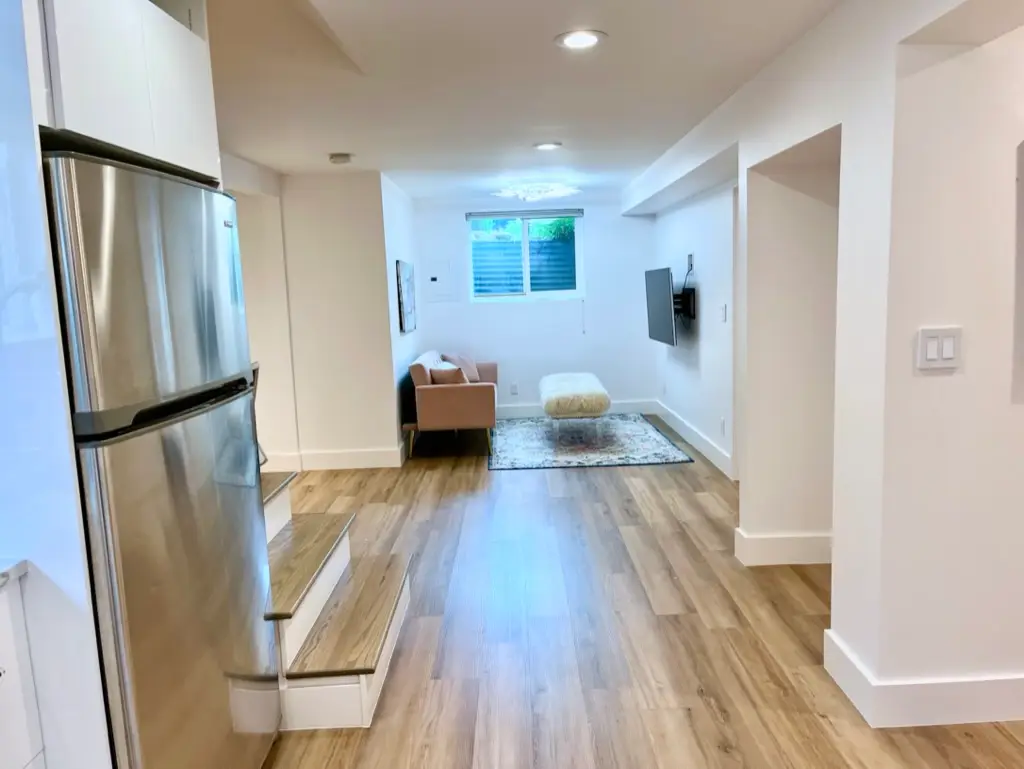
Which Rules Govern a Florida Condo Renovation
Three documents, in order of authority, and knowing which one you are dealing with saves arguments.
Your Declaration of Condominium
This is the controlling document for your unit. It defines the boundaries of what you own, what belongs to the association, and what alterations require approval. If there is a conflict between the declaration and a board policy, the declaration generally wins. It is recorded in the county’s public records, and your association is required to make it available to you.
The Association's Rules and Renovation Policy
Most associations layer a renovation policy on top of the declaration: approved work hours and days, elevator procedures, service entrance access, debris removal, contractor insurance minimums, and sometimes a deposit. These are the day-to-day requirements, and they are where most of the practical friction lives.
The Florida Condominium Act, Chapter 718
Chapter 718 governs the association’s structure, powers, records, and the common elements. Section 718.113 addresses material alterations to the common elements, which is association-level work rather than your kitchen. It matters to you when your project reaches into the common elements, which is the line covered next.
Where Your Condo Unit Ends and the Common Elements Begin
This is the line that determines how hard your approval will be, and most owners have never looked at it.
Inside your unit, and generally yours to change with routine approval: cabinets, countertops, fixtures, appliances, non structural interior partitions, paint, and finishes. This is where most kitchen and bathroom remodels live.
Reaching into the common elements, and where approval gets serious: plumbing stacks and risers shared with other units, load bearing and structural elements, exterior windows and doors, balconies and terraces, and anything that changes the building’s exterior appearance. Many owners are surprised to learn that in a lot of declarations the windows and the balcony are not theirs.
The practical translation: replacing a vanity is routine. Relocating a shower drain into a shared stack is not. Both may need approval, but they are different conversations, and the second one may require engineering, association-approved plans, and more lead time.
Documents Your Florida Condo Association Will Require
The packet is fairly consistent across Treasure Coast buildings. Assembling it correctly the first time is the difference between approval in two weeks and approval in two months.
A Certificate of Insurance Naming the Association
The most commonly required document and the one that stalls the most projects. Associations want a certificate of insurance from your contractor naming the association as an additional insured, with general liability and workers’ compensation coverage at whatever minimums the association sets. A contractor who cannot produce this quickly is telling you something.
Proof of Your Contractor's Florida License
Associations verify contractor licenses, and increasingly they verify them with the state rather than taking a copy at face value. A Florida certified general contractor’s license can be confirmed on the Department of Business and Professional Regulation site in about two minutes.
A Scope of Work and Schedule
A written description of what is being done, by whom, and over what period. Boards and property managers use this to confirm the work stays inside your unit and to plan around building impact.
Plans or Drawings, When the Work Warrants Them
Structural changes, plumbing relocation, and anything touching common elements typically require plans, and sometimes engineering. Cosmetic work usually does not.
Flooring Specifications and Sound Ratings
Covered in its own section below, because it causes more rejections than anything else on this list.
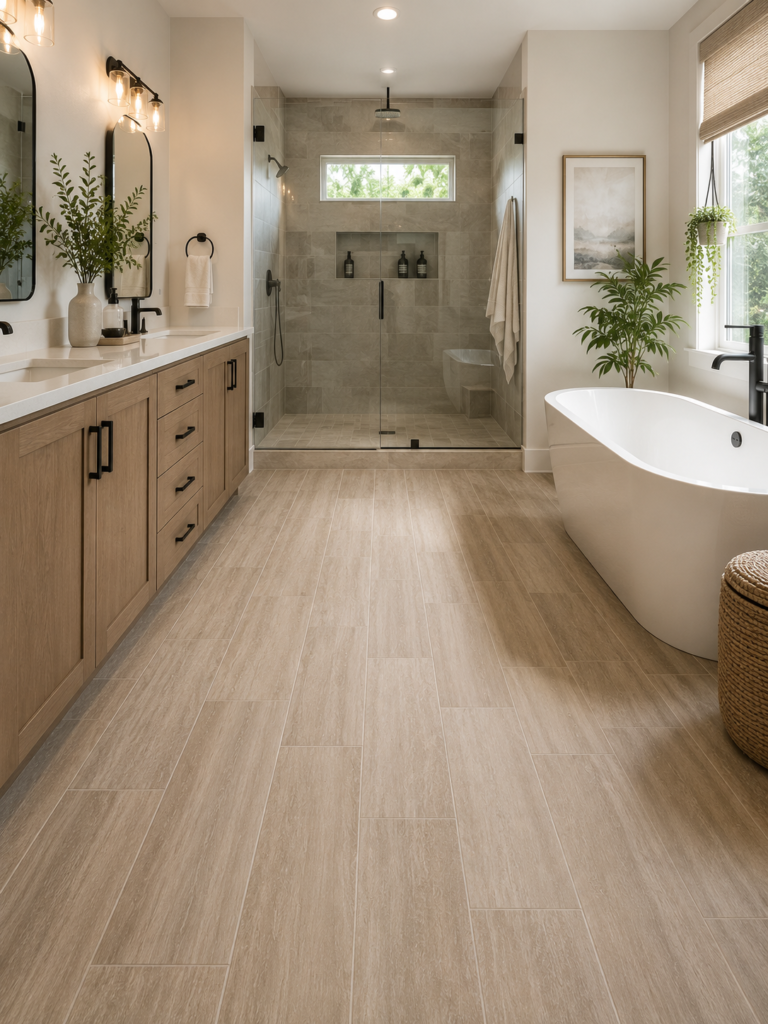
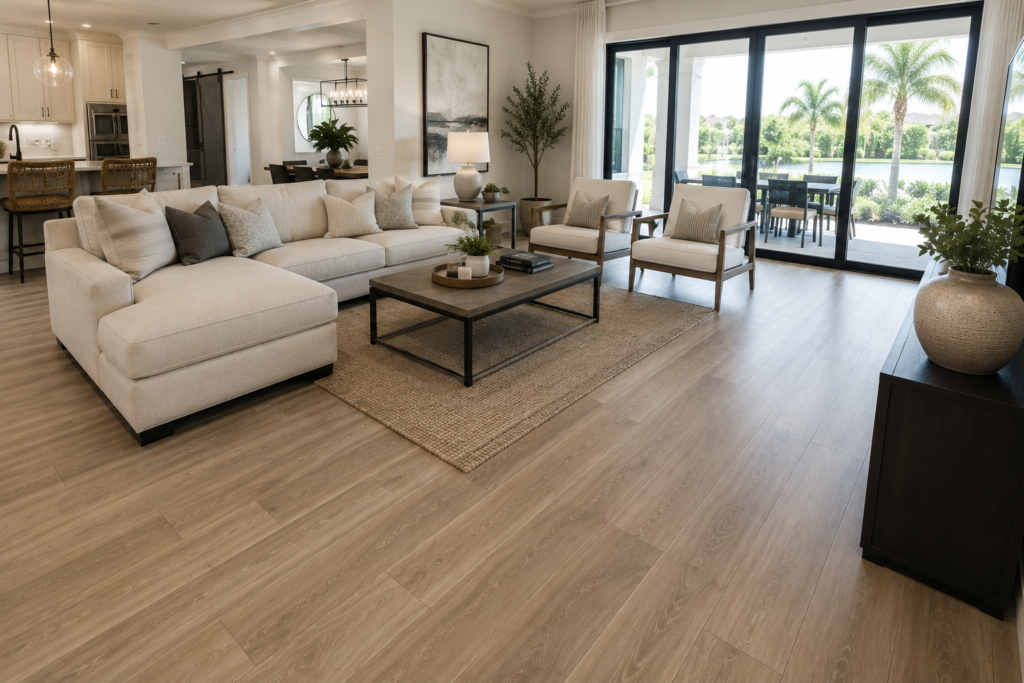
Why Flooring Causes the Most Condo Renovation Rejections
Most Florida condo declarations require hard surface flooring to meet a minimum sound transmission rating, expressed as an STC or IIC number, which means an approved underlayment beneath tile or luxury vinyl plank. Flooring that does not meet the building’s spec can be rejected after it is installed, and the owner pays to tear it out.
The rating is a property of the whole floor assembly, not the plank or the tile by itself, which is where owners get caught. A luxury vinyl plank marketed as quiet is not automatically compliant; the underlayment beneath it, and the subfloor under that, determine the rating. Some associations require documentation of the assembly, and some require it in advance.
The fix is simple and it happens before anything is ordered: pull the flooring requirement out of your declaration, spec an assembly that meets it, and submit the documentation with your approval packet. We do this as a matter of course, because tearing out a finished floor is the single most expensive avoidable mistake in condo remodeling.
When to Get Condo Renovation Approval: Before Work Starts
Approval is not a formality you can backfill. Florida’s Third District Court of Appeal has held that after the fact approval does not satisfy the Condominium Act’s material alteration requirements, in a case where more than seventy five percent of owners voted to approve the work after it was completed and the court still found the requirement unmet. That case involved association level alterations to common elements rather than an individual unit, but the principle it establishes is one every unit owner should carry: in Florida condominiums, approval is a precondition, not a ratification.
Practically, that means the sequence is approval, then permit, then demolition. An association can require you to stop work, and in a dispute over an unapproved alteration the remedies can include restoring the original condition at your expense. Nobody wants to be the test case.
How Long Approval Usually Takes
It varies widely. Some property managers approve routine cosmetic work in days. Boards that meet monthly, or associations that require an architectural review committee, can take four to eight weeks. Build that into your schedule, especially if you are a seasonal owner trying to have work finished before you return.
How to Get Your Florida Condo Renovation Approved Faster
Five things that consistently shorten the process:
Request your declaration and renovation policy first. Before you design anything. Every constraint you need to know is in those two documents.
Submit a complete packet, not a partial one. Incomplete submissions go to the bottom of the pile and wait for the next meeting. Certificate of insurance, license, scope, schedule, and flooring specs together.
Use a contractor who has done condo work. Not because the construction is harder, but because a contractor who has never produced a certificate naming an association, or scheduled around elevator reservations and approved work hours, will learn on your timeline.
Ask about work hour and access rules up front. They affect the schedule and the price, and finding out on day one is worse than finding out during the estimate.
Do not order materials before approval. Especially flooring.
Condo Renovation Approval in Stuart, Hutchinson Island, and the Treasure Coast
Buildings on Hutchinson Island, in Jensen Beach, and along the Stuart and Fort Pierce coastline tend to date from the 1970s through the 1990s, and their declarations reflect that era: original plumbing stacks that limit how far fixtures can move, and sound rating requirements written before luxury vinyl plank existed. Coastal buildings also frequently restrict renovation work during peak season, which is why many seasonal owners schedule projects for the summer months while units are empty.
A second Treasure Coast wrinkle: Hutchinson Island crosses a county line, so permitting runs through St. Lucie County, Martin County, or the applicable city depending on where the building sits. Association approval and the building permit are separate requirements, and on the island they can involve two different authorities.
We remodel condos in Port St. Lucie, Stuart, Jensen Beach, Fort Pierce, Palm City, and along Hutchinson Island, and we handle the association layer as part of the job.
Florida Condo Association Approval Questions, Answered
Do I need HOA approval to remodel my condo in Florida?
In almost every Florida condominium, yes. Most associations require written board or property manager approval before renovation work begins, along with a certificate of insurance naming the association as an additional insured and proof of your contractor’s Florida license. What they can require is set by your condominium’s declaration and rules rather than by one state statute.
What can a condo association legally require before I remodel?
Typically written approval, a certificate of insurance naming the association as an additional insured, contractor license verification, a scope of work and schedule, plans for structural or plumbing changes, and flooring specifications meeting the building’s sound rating. Associations can also set approved work hours, elevator and access procedures, and debris removal requirements.
What is the difference between my unit and the common elements?
Your unit generally includes the interior finishes, cabinets, fixtures, and non structural partitions. The common elements typically include shared plumbing stacks, structural components, exterior windows and doors, and balconies, though exact boundaries are defined in your declaration. Work that reaches into the common elements requires more approval and often engineering.
Can my condo association reject my flooring after it is installed?
Yes, if it does not meet the sound transmission rating specified in your declaration. The rating applies to the whole floor assembly, not just the plank or tile, so an approved underlayment is usually required. Confirm the requirement and document the assembly before anything is ordered, because removing a finished floor is expensive.
Do I need a permit as well as association approval?
Usually yes, and they are separate requirements. Association approval comes from your board or property manager; a building permit comes from your county or city building department and is required for work that moves plumbing, adds electrical, or changes structure. Most condo projects need both, and a licensed contractor pulls the permit.
Does a condo association charge a fee to approve a renovation?
Many do. Associations commonly charge an application or review fee, and some require a refundable damage deposit to cover the common areas, elevators, and hallways during construction. Amounts vary widely by building and are set in the association’s rules rather than by statute. Ask for the renovation policy early so the fee and deposit are in your budget from the start rather than a surprise at approval.
How long does condo renovation approval take in Florida?
It varies by building. Routine cosmetic work can be approved by a property manager in days, while boards that meet monthly or use an architectural review committee can take four to eight weeks. Submitting a complete packet the first time is the single biggest factor in how fast it moves.
What happens if I remodel without association approval?
The association can require you to stop work, and in a dispute over an unapproved alteration the remedies can include restoring the original condition at your expense. Florida courts have declined to accept after the fact approval of material alterations, so approval is a precondition rather than something to backfill.
Work With a Treasure Coast Contractor Who Handles the Association Layer
Approvals, certificates of insurance, sound rated flooring specs, elevator scheduling, and work hour restrictions are part of our job, not yours. Elite Home Improvements Group is a licensed Florida general contractor (CGC1529124) remodeling condos across the Treasure Coast, and we review your association’s rules during the free estimate so the scope you approve is the scope your building will approve. Call (772) 666-3459 or reach out through our contact page.